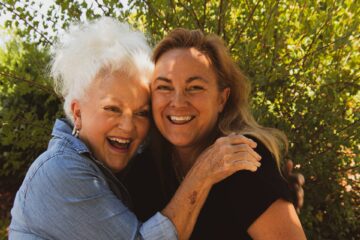


Staying physically active after the age of 60 is one of the key pillars for ensuring longevity, independence, and quality of life. Aging naturally brings changes to metabolism, bone density, and muscle mass, but regular physical activity can significantly reduce the risk of chronic diseases, boost energy levels, and support mental health.
According to the World Health Organization (WHO), people over 60 should aim for at least 150 to 300 minutes of moderate physical activity per week (WHO – Physical Activity Guidelines). The good news is that you don’t need intense workouts or high-impact sports. Simple, light, and consistent exercises are enough to bring major health benefits.
Walking: the most accessible exercise
Walking is often considered the ideal first step because it requires no expensive equipment and can be done almost anywhere.
-
Improves blood circulation and reduces cardiovascular risks (American Heart Association).
-
Helps control weight and cholesterol.
-
Encourages social interaction when done in parks or walking groups.
👉 Practical tip: start with 10–15 minutes a day and gradually increase to 30 minutes.
Stretching to maintain mobility
Flexibility loss is one of the most common challenges after 60. Daily stretching helps prevent muscle stiffness and joint pain.
-
Focus on the neck, shoulders, hips, and knees.
-
Morning stretches stimulate circulation and reduce rigidity.
The Mayo Clinic provides safe stretching guides with visual explanations (Mayo Clinic – Stretching Guide).
Water aerobics: lightness and joint protection
Aquatic exercise reduces stress on bones and joints, making it ideal for people with chronic pain or osteoarthritis.
-
Builds muscle strength and improves balance.
-
Reduces the risk of falls since water offers natural support.
-
Adds a social element, which is key for motivation and adherence.
The Arthritis Foundation highlights the benefits of water exercise for people with mobility limitations (Arthritis Foundation – Aquatic Exercise).
Yoga and Pilates: balance for body and mind
Practices such as yoga and pilates combine muscle strengthening, posture correction, and breathing techniques.
-
Yoga: improves flexibility, promotes relaxation, and reduces stress (Harvard Health – Yoga Benefits).
-
Pilates: strengthens the core (abdomen and lower back), which supports posture and balance.
Studies show that Pilates can reduce fall risk in older adults (National Library of Medicine).
Dancing: fun that strengthens body and mind
Dancing is a joyful way to move, combining rhythm, memory, and socialization.
-
Enhances coordination and memory (Alzheimer’s Society).
-
Burns calories and strengthens muscles.
-
Reduces isolation and boosts mental well-being.
The Cleveland Clinic describes dance as a full-body exercise that supports healthy aging (Cleveland Clinic – Dancing for Exercise).
Resistance bands and light weights
Preserving muscle mass after 60 is crucial to prevent sarcopenia (age-related muscle loss).
-
Resistance bands or light dumbbells (1–2 kg) are enough.
-
Focus on arms, legs, and back with simple movements.
-
Stronger muscles mean fewer falls and fractures.
👉 The National Institute on Aging (NIA) offers free workout programs for older adults (NIA – Exercise and Physical Activity).
Frequently Asked Questions (FAQ)
What are the safest exercises to start with after 60?
Walking, light stretching, and water aerobics are excellent entry points.
How often should someone over 60 exercise?
WHO recommends 3–5 times per week, adding up to at least 150 minutes of moderate activity.
Do I need medical clearance before exercising?
Yes. Especially if you have a history of cardiovascular disease, osteoporosis, or hypertension.
Conclusion
Incorporating light exercises after 60 is one of the best decisions to maintain vitality and independence. Walking, stretching, dancing, practicing yoga, or using resistance bands are safe, accessible, and effective. The key is consistency: small daily efforts add up to significant long-term benefits.